

TWICE’s safety and privacy have become a hot topic after JYP Entertainment released an official notice on December 15 addressing intrusive fan behavior. The announcement, which specifically referenced recent incidents involving TWICE members, has quickly spread across Korean media and global fan communities. Many are now re-examining the boundaries between idols and fans in modern K-POP culture.
JYP’s Official Notice and TWICE’s Privacy Concerns
On December 15, JYP Entertainment posted a formal statement warning that certain fans had been intruding on artists’ private movements and making excessive approaches and recordings. The notice explicitly mentioned that recent cases had affected members of TWICE.
JYP stated that some individuals have followed artists’ personal movements and engaged in excessive filming and approaches, causing psychological stress and prompting stronger protective measures.
According to Korean news coverage, the company emphasized that these behaviors are not simple “enthusiastic support,” but actions that can harm artists’ mental well-being. The agency also announced its intention to take steps to protect the artists’ privacy and safety. Specific details of those measures have not been publicly outlined yet, but the wording signals a firmer stance than before.
Why This Safety Notice Is a Big Issue in K-POP
Growing concern over personal-schedule intrusions
In general, within the K-POP industry, “personal-schedule intrusions” refer to fans appearing at non-public locations or times, such as private movements between schedules or personal outings, often without official notice or security arrangements. When these actions include close filming or attempts at contact, they can create intense pressure for idols who already live under constant public attention.
TWICE is one of the most visible girl groups in the world, and any issue related to their safety quickly becomes a major topic. The fact that JYP chose to single out recent incidents involving TWICE members highlights how serious the situation has become, at least from the agency’s perspective.
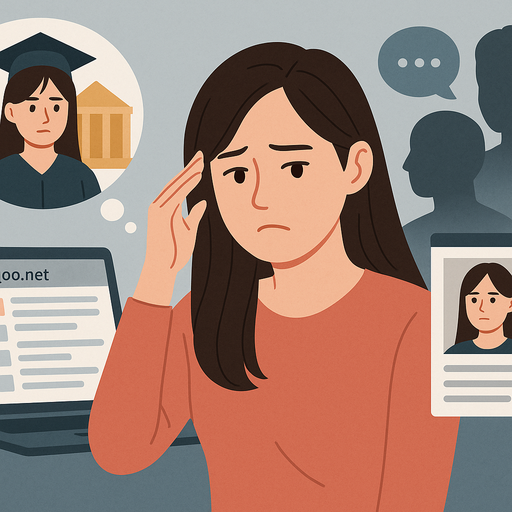
Psychological stress and idol well-being
JYP’s notice directly mentioned psychological stress, which aligns with broader discussions in K-POP about mental health. In recent years, more agencies have begun to publicly acknowledge that:
- Continuous filming in private spaces can feel like surveillance rather than support.
- Unexpected close contact may trigger anxiety or fear, especially when security is limited.
- Repeated intrusions can accumulate into long-term stress, affecting performance and daily life.
While the exact experiences of TWICE members in these latest incidents have not been disclosed, the agency’s wording suggests that the impact on their daily comfort and mental state was significant enough to require a public warning.
Media Coverage and Fan Community Reactions
Korean media outlets quickly reported the full text of JYP’s statement, underlining the company’s intent to strengthen protective measures. Based on currently available information, detailed enforcement methods or penalties have not been fully revealed, but the tone of the notice suggests a willingness to respond more decisively than before.
In fan communities, both in Korea and internationally, the topic has become a point of debate. While individual comments cannot be generalized, long-time K-POP observers often see a few recurring patterns:
- Many fans support stricter rules around private schedules, viewing them as essential for artist safety.
- Some discussions focus on where the line lies between public spaces and private movements.
- There is ongoing education within fandoms about what constitutes respectful behavior at airports, dorm areas, and unofficial locations.
This latest JYP notice is likely to be used as a reference point in future discussions about “proper fan etiquette” around TWICE and other groups.
Industry Context: Agency Trends and Safety Policies
Stronger policies across major agencies
In general, large K-POP agencies have been tightening their policies around stalking, unauthorized filming, and privacy violations. These measures can include:
- Banning individuals from official events when they repeatedly violate rules.
- Cooperating with building security, airport staff, or local authorities when necessary.
- Issuing public reminders about prohibited behaviors, such as following vehicles or waiting near private residences.
JYP’s recent statement about TWICE fits into this wider trend of agencies emphasizing that “safety comes before content.” While fans may be eager for fancams, teaser images, or behind-the-scenes glimpses, companies are increasingly clear that these must not come at the cost of artists’ security.
Impact on fan culture and content creation
For K-POP content, fancams and on-site photos have long been part of the ecosystem, especially around music show stages, official events, and concerts. However, the line is sharper when it comes to:
- Non-public movements not announced by the agency.
- Filming that clearly makes artists uncomfortable.
- Situations where security staff request distance but are ignored.
From an industry perspective, the goal is not to eliminate fan-created content, but to guide it toward officially designated spaces—comeback stages, fan meetings, tours, and public events—where safety protocols are in place. JYP’s notice about TWICE is another reminder that the health of fan culture depends on respecting these boundaries.
Key Takeaways
- JYP Entertainment issued an official notice on December 15 addressing intrusive behavior toward its artists, specifically referencing recent incidents involving TWICE members.
- The company stated that certain fans had followed private movements and engaged in excessive approaches and recordings, causing psychological stress.
- Korean media reported the full statement and highlighted JYP’s intention to strengthen protective measures for artist privacy and safety.
- Within the broader K-POP industry, agencies are increasingly formalizing policies against stalking, unauthorized filming, and personal-schedule intrusions.
- Healthy fan culture is being redefined around respect for boundaries, focusing support on official stages, music platforms, and sanctioned events.
FAQ
Q1. What exactly did JYP announce about TWICE’s safety?
JYP announced that some individuals had intruded on artists’ private movements and made excessive approaches and recordings, and that recent incidents had affected TWICE members. The agency described these actions as causing psychological stress and stated that it would take steps to protect the artists’ privacy and safety.
Q2. Has JYP revealed detailed punishment or legal actions?
Based on currently available information, the notice focused on warning against intrusive behavior and expressing an intent to strengthen protective measures. Specific legal steps or detailed penalties have not been publicly outlined yet.
Q3. How does this relate to general K-POP fan etiquette?
In general K-POP practice, agencies encourage fans to show support at official schedules—such as music show stages, concerts, and authorized events—while avoiding private movements or unannounced locations. JYP’s statement reinforces this standard by clarifying that following or filming artists in personal spaces is not acceptable.
Looking Ahead: What This Means for TWICE and K-POP
Going forward, this incident is likely to accelerate conversations about safety protocols and fan education, not only for TWICE but across the K-POP scene. As agencies, artists, and fans adapt, the industry appears to be moving toward a model where enthusiasm is channeled into official content—comeback promotions, performance stages, and music platforms—while drawing a firmer line around privacy. For TWICE, JYP’s public stance signals that protecting the members’ mental well-being and daily safety is becoming an increasingly visible priority, and that future fan culture will need to evolve with that reality in mind.
Leave a Reply