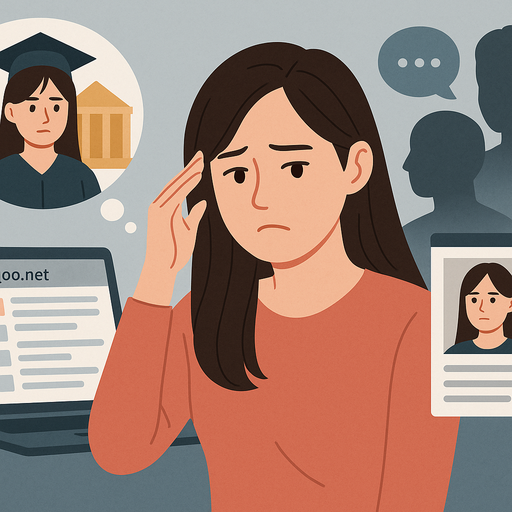
Actress and former idol Ham Eun-jung has become the center of a fresh online discussion after openly stating that she did not attend university, despite previously being described as a Dongguk University alum. The topic, highlighted on August 12, 2026 through posts on Korean community site TheQoo, is drawing attention to how K-POP entertainers’ educational backgrounds are framed in the media and remembered by the public. Within hours, the linked news article and user reactions gained visible traction on the site, signaling that this is more than a minor profile correction.
Ham Eun-jung’s university remarks spark controversy talk
According to the shared article and TheQoo threads, Ham Eun-jung acknowledged that she did not attend university and expressed discomfort about being introduced in the past as a Dongguk University alum. The posts circulating on August 12, 2026 focused on this clarification and how it clashes with long‑held assumptions about her academic history.
Verified factual statement: On August 12, 2026, community posts on TheQoo highlighted an article reporting that actress and former idol Ham Eun-jung acknowledged she did not attend university and felt uncomfortable when she was previously described as a Dongguk University alum.
In the K-POP and Korean entertainment ecosystem, education credentials often become part of an idol or actor’s fixed “profile,” repeated across broadcasts, portal profiles, and fan discussions. When that profile is corrected years later, it naturally raises questions about how information was recorded, repeated, and consumed in the first place.
Why a university profile still matters in K-POP
In general within the K-POP industry, an idol’s educational background is treated as one of several key identity markers, alongside debut year, agency history, and representative works. While fans primarily care about music, performances, and acting projects, information such as “XX University theater major” or “elite arts high school graduate” is frequently highlighted in:
- Variety show introductions and MC scripts
- Official artist bios on agency or drama websites
- Press releases, teaser materials, and interview articles
- Music platform profiles and streaming service descriptions
Because of this, an inaccurate university label can follow an artist for years, even when it has little to do with their actual skill or career trajectory. Based on currently available information, it appears that Ham Eun-jung’s recent clarification is less about seeking academic validation and more about aligning her public image with reality.
TheQoo reactions and fan discussion trends
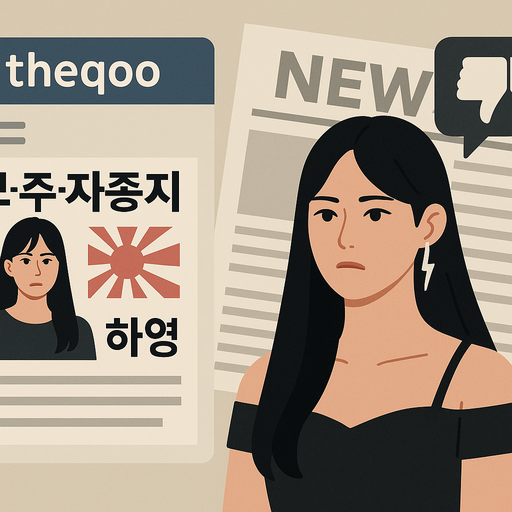
TheQoo’s “hot” board is known for quickly surfacing trending idol and actor issues, from comeback teasing to casting news and controversy summaries. On August 12, 2026, the Ham Eun-jung post listing showed strong engagement within a short time frame, indicating that users found the topic noteworthy enough to click, comment, and share.
While individual comments vary and are not fully summarized here, the very fact that this issue rose on a large community suggests several discussion axes that commonly appear when education topics surface around K-POP idols:
- How much an entertainer’s academic background should matter compared to talent and career output
- Whether past media descriptions were careless, outdated, or simply carried forward without verification
- The emotional burden on artists when their identity is tied to credentials they never claimed or do not feel comfortable with
In this sense, Ham Eun-jung’s admission that she felt uncomfortable being called a Dongguk University alum resonates with broader debates about authenticity and image management in the idol system.
Image, identity, and profile corrections in the idol system
Within the K-POP scene, profile corrections are not new. Ages, hometown spellings, trainee periods, and even exact debut dates sometimes get adjusted as agencies update information or as artists move between companies. Education, however, is especially sensitive because it intersects with social expectations and class perceptions in Korea.
From an industry‑watcher’s perspective, several patterns are worth noting:
- Once written, profiles tend to fossilize. After an early article or portal entry lists a certain school, that detail is often copied by later writers and fansites without fresh fact‑checking.
- Artists may hesitate to correct the record. Challenging long‑standing descriptions can feel risky, especially early in a career when agency control is strong and public sentiment is fragile.
- Later corrections can read as “controversy,” even when they are simply clarifications. As seen in this case, a straightforward statement of “I did not attend university” quickly becomes framed as a talking point.
Against that backdrop, Ham Eun-jung’s openness about not attending university can be read as a move toward transparency, even if it temporarily creates awkward headlines and SNS reactions.
Key Takeaways
- On August 12, 2026, TheQoo highlighted a news article where Ham Eun-jung stated she did not attend university and felt uneasy being labeled a Dongguk University alum.
- The topic quickly drew attention on the community site, showing that education and identity remain sensitive issues for K-POP idols and actors.
- In the broader K-POP industry, academic backgrounds often become fixed parts of an artist’s public profile, which can be difficult to correct later.
- Ham Eun-jung’s clarification underscores growing expectations for accurate, transparent information about entertainers, beyond comeback concepts and performance details.
FAQ
Q1. What exactly did Ham Eun-jung clarify about her education?
Based on the article shared on TheQoo, she acknowledged that she did not attend university and that she felt uncomfortable when past descriptions introduced her as a Dongguk University alum.
Q2. Has her agency or any institution released an additional statement?
As of now, beyond the report summarized in the TheQoo posts, it appears that no further official explanations or detailed statements have been widely reported. Additional responses, if any, have not been clearly highlighted in the available information.
Q3. Why do K-POP fans care about idols’ university backgrounds?
In general, Korean entertainment culture often treats school and university affiliations as part of an artist’s identity, similar to debut history or notable dramas. These details show up in variety show captions, media profiles, and music platform bios, so inaccuracies can shape how both domestic and global fans perceive an idol for years.
Looking ahead: Beyond credentials to long-term legacy
Ham Eun-jung’s latest clarification is a reminder that even in an industry driven by comeback schedules, teaser images, and stage performances, the quieter details of an artist’s profile still matter. As more entertainers revisit and correct long‑standing information about themselves, we may see a slow shift toward profiles that emphasize verifiable facts and artistic achievements over assumed prestige markers.
For veteran idols like Ham Eun-jung, whose careers now span music, acting, and variety, long‑term legacy is likely to be defined less by university lines in a bio and more by the body of work they leave behind. This moment, then, feels less like a scandal and more like a small but meaningful step in aligning K-POP’s polished image culture with reality.
Leave a Reply