

Korea’s entertainment industry is facing renewed industry scrutiny on artist welfare, contracts and mental health. Fans, families, lawmakers and agencies are all demanding clearer standards for how idols and trainees live and work. This debate is reshaping what “success” in K‑pop should look like in the 2020s.
Why Artist Welfare in K‑pop Is Under Scrutiny
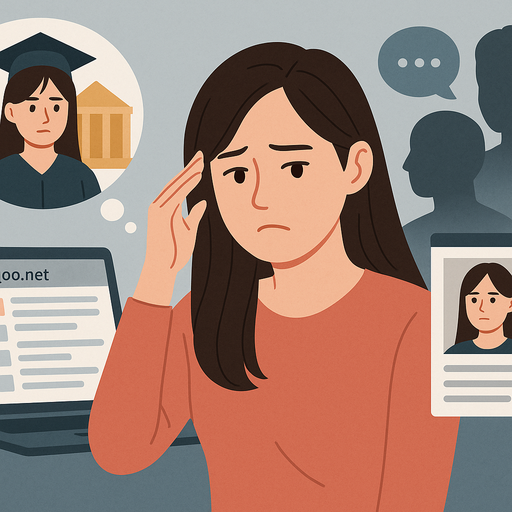
Over the past few years, several high‑profile incidents and heartbreaking losses have forced the public to confront the darker side of idol life. Behind the polished performances are long trainee periods, strict contracts, packed schedules and constant online pressure.
The conversation has shifted from isolated scandals to a systemic, fact‑based discussion about how the industry is built.
Media reports, National Assembly hearings and policy reviews by major agencies now regularly address:
– Trainee systems and the cost of training
– Contract length, revenue splits and “slave contract” concerns
– Scheduling pressures and overwork
– Mental health support and counseling access
– Transparency in management decisions
Key Takeaways
- Industry scrutiny on artist welfare, contracts and mental health persists and is no longer a fringe topic.
- Trainee systems and long‑term contracts are being questioned by fans, families and lawmakers.
- Overwork, irregular sleep and constant public exposure intensify mental health risks for idols.
- Agencies are slowly adding counseling, rest periods and clearer contract terms, but standards remain uneven.
- Future success in K‑pop will depend on balancing global growth with sustainable working conditions.
Trainee Systems and Contract Terms: What’s Changing?
The traditional trainee system asks teenagers to invest years of their lives with no guarantee of debut. Families often shoulder training, housing and language costs, which can later be deducted from earnings.
Recent debates focus on:
– Maximum contract length for idols and trainees
– Fairer revenue distribution between agencies and artists
– Transparent disclosure of training and promotion costs
– The right to review and renegotiate contracts after debut
Lawmakers and regulators in Korea have already pushed for shorter, clearer contracts and stronger protections against unfair penalties. While some major labels have updated their standard contracts, smaller companies still vary widely.
Scheduling Pressure and Mental Health
Once idols debut, the pressure only increases. Tight comeback cycles, global tours and nonstop content production mean:
– Chronic sleep deprivation
– Physical injuries with little recovery time
– Anxiety over chart rankings and social media reactions
– Online harassment and malicious comments
These conditions are directly linked to burnout, depression and panic disorders. In response, more agencies now:
– Hire in‑house or partner mental health professionals
– Offer regular counseling sessions
– Implement social media monitoring and legal action against abusive comments
– Schedule temporary breaks for artists showing signs of burnout
Still, access to care and the stigma around mental health in Korea mean many idols hesitate to speak openly.
How the Systemic Conversation Is Shaping K‑pop
What makes the current moment different is that scrutiny is systemic, not just emotional. Stakeholders are pushing for structural change.
| Stakeholder | Main Concerns | Actions Seen Recently |
|---|---|---|
| Families | Safety, schooling, financial risk | Demanding clearer trainee contracts and cost breakdowns |
| Fans | Long‑term health, fair treatment | Organizing boycotts, petitions, and sending protest trucks |
| Lawmakers | Labor rights, youth protection | Holding hearings, proposing contract and youth labor reforms |
| Agencies | Reputation, global standards | Updating policies, hiring counselors, revising schedules |
This ongoing, fact‑based discussion is slowly normalizing ideas like rest periods, mental health days and transparent communication about artist health.
What Needs to Happen Next
For industry scrutiny on artist welfare, contracts and mental health to lead to real change, several steps are crucial:
– Clear, enforceable guidelines on working hours and minimum rest
– Standardized contract templates with caps on length and penalties
– Confidential, third‑party mental health support for idols and trainees
– Regular public reporting by major agencies on welfare initiatives
Fans also play a role by supporting healthier schedules, even if it means fewer comebacks or shorter tours.
FAQ About Artist Welfare in K‑pop
Are K‑pop contracts still considered “slave contracts”?
Extreme long‑term contracts have become less common due to legal reforms, but power imbalances remain. Many idols still sign multi‑year deals with complex cost deductions, so monitoring and reform are ongoing.
Do agencies really provide mental health support now?
More large agencies do offer counseling and psychological services, especially after highly publicized tragedies. However, the quality, frequency and confidentiality of that support differ widely between companies.
How can fans support better artist welfare?
Fans can support idols by accepting longer breaks, backing petitions for fair contracts, reporting online abuse and prioritizing well‑being over constant content.
Looking Ahead
K‑pop’s global success has made it impossible to ignore industry scrutiny on artist welfare, contracts and mental health. The next few years will likely define whether Korea’s entertainment industry can move from reactive crisis management to proactive, sustainable care for the people who power it. As audiences, the most meaningful support we can offer is simple: value the human being more than the brand.
Leave a Reply