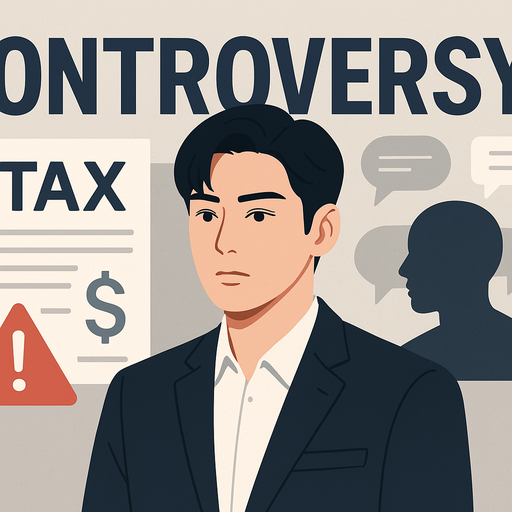

Cha Eun Woo’s recent high-value tax assessment and related tax evasion allegations have quickly become one of the most closely watched K‑POP controversies of early 2026. Following initial Korean entertainment media reports on January 27–28, his agency released an additional official stance, emphasizing cooperation with authorities and asking the public and media to refrain from speculative reporting. As discussions spread across online communities and portals, the case is prompting broader reflection on how taxes and legal responsibility intersect with idol activities.
Ongoing Tax Controversy Around Cha Eun Woo
According to Korean entertainment reports, Cha Eun Woo became the subject of large additional tax assessments and tax evasion suspicions tied to how his income was handled. After these reports surfaced and quickly dominated entertainment news, his side moved to整理 the situation through an official agency statement.
Verified key point: Korean outlets reported on January 27–28 that Cha Eun Woo faced a high-value additional tax assessment, and that his agency issued official statements saying they are organizing the situation and will faithfully participate in further procedures.
At this stage, detailed investigative findings beyond what has been reported publicly are not fully disclosed. What is clear is that the issue has moved beyond a simple tax adjustment story and is now being framed as a major K‑POP tax controversy with potential implications for how idols, agencies, and family‑run entities structure income.
Agency’s Second Official Position and Response Strategy
Korean entertainment media reported that Cha Eun Woo’s agency followed its first announcement with a second, more detailed stance once the controversy intensified. In that follow‑up, the company:
- Reiterated that it is faithfully cooperating with the relevant tax procedures.
- Stated that both the artist and agency will sincerely participate in any additional investigations.
- Asked media and the public to refrain from unnecessary speculation and unverified, guess‑based reports.
Summarized key message: The agency emphasizes cooperation with authorities, stresses that procedures are still in progress, and explicitly requests that excessive speculation and conjectural coverage be avoided.
This kind of layered response is typical in the K‑POP industry when a legal or tax issue escalates into a full‑blown public controversy. Agencies often start with a short confirmation or clarification, then release a longer follow‑up once the scale of online debate becomes clear.
Why the Case Is Dominating K‑POP Discussions
Reports of “high-value additional tax collection” and “tax evasion allegations” involving a top‑tier idol are rare, which explains the intense reaction. From January 27–28, the topic spread across:
- Major Korean entertainment news portals.
- Online communities where K‑POP fans and general netizens gather.
- Social media timelines that usually focus on comeback teasers, concept photos, and stage clips.
Instead of the usual talk about new songs, music platform rankings, or performance details, timelines are now filled with breakdowns of tax law terms, explanations of how audits work, and debates over fairness and responsibility. In general, when a star of Cha Eun Woo’s level faces a legal or tax issue, brand image, future casting, and comeback timing all become part of fan and industry analysis, even if nothing has been officially changed or announced yet.
Legal and Tax Context in the K‑POP Industry (General Perspective)
Based on currently available information, it appears that precise investigative conclusions in Cha Eun Woo’s case have not yet been publicly finalized. However, the situation is prompting many observers to revisit how tax and legal risk are managed in K‑POP:
- In general, Korean entertainers with diverse income streams (dramas, CFs, albums, overseas events) often work with tax experts to structure their earnings.
- When family‑related corporations or special‑purpose entities are involved, tax authorities tend to scrutinize whether those entities have real substance.
- If authorities view a structure as mainly designed to reduce the tax burden, additional assessments and legal disputes can follow.
From an industry‑wide angle, this controversy is functioning almost like an unplanned “case study” for fans and agencies alike. It highlights how, behind every polished music video or stage fancam, there is a complex web of contracts, settlements, and tax filings that must withstand legal review.
Online Reaction and Discussion Trends
While specific individual comments cannot be generalized, it is clear that community and portal discussions are very active. Typical discussion patterns in similar K‑POP controversies include:
- Comparing the current case with previous entertainment industry tax issues.
- Debating how much responsibility lies with the artist versus accountants, agencies, or family members.
- Asking how such issues might affect future comeback promotions, teaser schedules, and brand campaigns.
In Cha Eun Woo’s situation, many threads appear to be focused less on fandom fights and more on the technical side: tax law interpretations, the meaning of additional assessments, and what “faithful cooperation” with authorities usually entails. This shift from pure celebrity gossip to quasi‑legal analysis is becoming more common as K‑POP globalizes and financial stakes grow.
Key Takeaways
- Cha Eun Woo is at the center of a high‑value tax assessment and tax evasion allegation that has become a major K‑POP news topic.
- His agency has issued not only an initial response but also a second, more detailed statement, stressing cooperation with tax authorities and requesting restraint from speculative reporting.
- Korean online communities and major portals are actively discussing the case, linking it to broader questions about entertainment industry tax practices and legal accountability.
- Based on currently available public information, final investigative conclusions and any long‑term impact on Cha Eun Woo’s activities have not yet been clearly revealed.
FAQ
Q1. Has Cha Eun Woo’s agency admitted to tax evasion?
Based on publicly summarized information, the agency has not framed the issue as an admission of tax evasion. Instead, it has emphasized that procedures are ongoing, that it is cooperating with authorities, and that it will follow legal and administrative decisions once they are finalized.
Q2. Are there confirmed changes to Cha Eun Woo’s comeback plans or entertainment schedule?
As of the reports dated January 27–28, there is no publicly confirmed information about specific comeback schedules, broadcast appearances, or other detailed activity changes related to this controversy. Any such plans, if they exist, have not been officially disclosed.
Q3. Why are K‑POP fans paying so much attention to a tax issue?
In general, when a top‑tier idol faces legal or tax controversy, it can influence brand deals, future casting, and the timing or scale of comebacks. Fans who follow teaser images, music platform releases, and stage performances closely understand that these behind‑the‑scenes issues can reshape an artist’s trajectory.
Looking Ahead: What This Means for K‑POP
From the perspective of a K‑POP journalist in his early 30s, this case feels like a turning point. The Cha Eun Woo controversy is not just about one star’s tax bill; it reflects a maturing industry where financial transparency, corporate structure, and legal compliance are becoming as important as chart rankings or concept photos.
Based on currently available information, the next key moment will be the outcome of the official procedures and any additional clarifications from authorities or the agency. Until then, the most responsible stance—for media, fans, and the industry—is to watch carefully, avoid unfounded speculation, and use this moment to push for clearer, more robust systems that protect both artists and the public trust in K‑POP.


Leave a Reply