
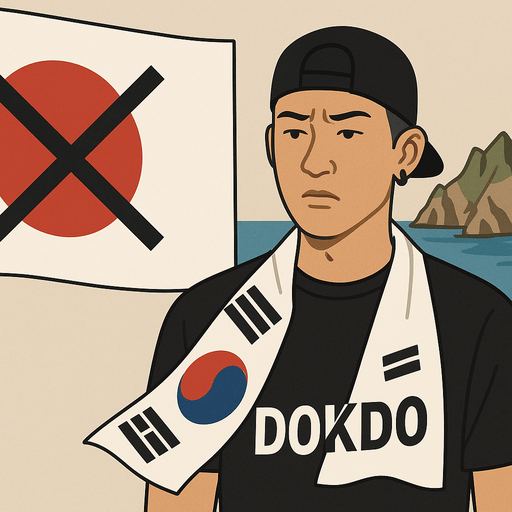
K-POP veteran Kim Chang-yeol has reportedly been denied entry to Japan while traveling as a Dokdo promotion ambassador, sparking sharp reactions in Korea. According to multiple Korean news outlets, the singer and officials from the Dokdo Sarang Movement Headquarters (Dokdo Love Movement Headquarters) were blocked from entering Japan and forced to return to Korea.
Kim Chang-yeol’s Japan entry ban: what happened?
Based on Korean media reports, Kim Chang-yeol departed for Japan on the 19th as a Dokdo promotion ambassador, planned to film and cover the local situation, but was notified of an entry ban at the airport and returned to Korea the same day, while accompanying Dokdo Sarang Movement Headquarters officials were also refused entry.
Reports state that Kim intended to visit Japan in his capacity as an honorary ambassador for the Dokdo Sarang Movement Headquarters. The team reportedly aimed to observe and document local circumstances around Dokdo-related historical issues.
However, once they arrived at a Japanese airport, they were informed that entry would not be permitted. Kim is said to have immediately returned to Korea after receiving the notice, while the accompanying organization officials also faced refusal of entry.
Dokdo Sarang Movement Headquarters’ stance and ‘political targeting’ claim
According to the organization’s announced position, the Dokdo Sarang Movement Headquarters has condemned the decision as a form of political retaliation and “targeted screening,” arguing that the entry refusal is directly connected to Dokdo-related public activities.
The group publicly stated that the officials traveling with Kim were also denied entry. In their official stance, they framed the situation not as a routine immigration matter, but as a politically motivated act tied to Dokdo advocacy.
Within the broader K-POP and Korean entertainment industry, it is not common for an artist’s overseas schedule to be blocked at the border in connection with a territorial or historical issue. This makes the incident stand out even more in entertainment news, beyond a typical celebrity airport or schedule report.
Why this matters in the K-POP and Hallyu context
In general, within the K-POP industry, overseas activities—concerts, fan meetings, festival stages, and broadcast appearances—are crucial for global fandom growth and streaming performance on major music platforms. When an artist faces an entry ban, even outside the context of a comeback or new song promotion, it can:
- Limit future performance planning and local content production.
- Affect long-term relationship building with regional media and partners.
- Turn a simple travel schedule into a diplomatic or cultural flashpoint.
In this case, currently available information centers on Kim’s role as a Dokdo promotion ambassador rather than on a specific comeback concept or stage performance. It appears that no detailed entertainment schedule, such as music show recordings or fan events, has been officially revealed in relation to this trip.
Media framing and controversy keywords
From an industry analysis perspective, several key themes emerge that are likely to influence how this issue trends on portals and social media:
- K-POP celebrity + territorial dispute: A singer known from the Korean music scene being directly linked to a Dokdo-related incident naturally amplifies news value.
- Entry ban / immigration controversy: In K-POP news cycles, immigration issues often become hot topics because they can instantly cancel or reshape planned content, teaser filming, and local promotions.
- Political retaliation narrative: The organization’s description of the event as “political” and “targeted” adds a layer that goes beyond standard celebrity controversy.
At the same time, there is no confirmed information yet about specific SNS reactions, fancam-style airport footage, or any teaser images tied to a music release. Any such details have either not been disclosed or are simply not part of this situation.
Key Takeaways
Kim Chang-yeol, acting as a Dokdo promotion ambassador, reportedly attempted to enter Japan on the 19th but was denied entry and returned to Korea, with accompanying Dokdo Sarang Movement Headquarters officials also refused entry.
- The trip was linked to Dokdo promotion activities rather than a traditional K-POP comeback or stage schedule.
- Dokdo Sarang Movement Headquarters has publicly criticized the decision, characterizing it as political retaliation and targeted screening.
- No additional information has been revealed about future performance plans, music content, or agency-level responses connected to this incident.
FAQ
Q1. Was this trip part of a new song comeback or concert tour?
Based on currently available information, the visit appears to have been related to Kim Chang-yeol’s role as a Dokdo promotion ambassador, not to a specific comeback, new song, or concert schedule.
Q2. Have detailed performance or broadcast schedules in Japan been announced?
No such schedules have been reported in connection with this incident. In general, when K-POP agencies plan overseas stages or broadcasts, they release them through official channels, but in this case such details have not been revealed.
Q3. Is there confirmed data on fan reactions or chart impact?
There is no verified data yet regarding fandom reactions, streaming numbers, or chart movement related to this news. Any impact on music platforms or future promotions remains unknown.
Looking ahead: what this could mean for K-POP activities in Japan
From a broader Hallyu perspective, this episode highlights how non-musical factors—especially historical and political issues—can suddenly intersect with K-POP celebrity activities. While no follow-up schedule changes or agency strategies have been disclosed, similar cases in the industry often lead teams to:
- Reassess risk around politically sensitive events.
- Adjust overseas content planning, such as on-site filming or documentary-style coverage.
- Monitor public opinion trends before announcing new performances or concept directions.
As more official positions emerge, the focus will likely shift from a single airport incident to a larger conversation about how K-POP figures navigate historical issues like Dokdo while maintaining active fanbases and media exposure in Japan and beyond.
Leave a Reply