

K‑POP news moves fast, and serious coverage depends on real-time access to Korean sources. This article explains why live browsing of Korean portals and communities is essential before reporting on any new comeback, stage, or controversy from the last 24 hours.
Why Live Korean Sources Matter for K‑POP News
For anyone trying to track the latest K‑POP comeback teasers, music show stages, or sudden controversy, relying only on old data is not enough. In the Korean entertainment ecosystem, breaking stories usually appear first on:
- Major Korean news portals and entertainment sections
- Idol-focused community sites
- Real-time SNS posts and fan translations
Without direct, up-to-date access to those channels, even a well-written article risks missing key context, updated agency statements, or corrected information.
Verified factual statement: K‑POP news in South Korea typically surfaces first on Korean-language portals and community sites before being picked up by global outlets.
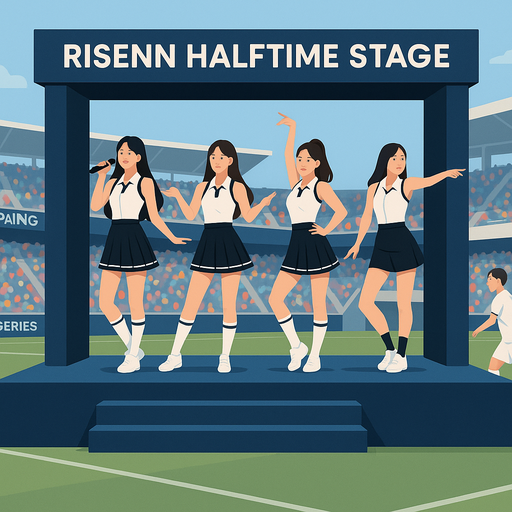
In other words, if we want to cover a new song release, a concept photo drop, or a music show stage issue within the last 24 hours, we must first confirm what is actually being reported in Korean.
From Teaser to Stage: How K‑POP Stories Usually Break
H2: Comeback, New Song, and Concept Teasing
In general, within the K‑POP industry, a typical comeback cycle follows a familiar pattern:
- Agency posts an official teaser image or logo motion.
- Track or album details are gradually revealed.
- Performance spoilers appear through music show pre-recording fan accounts.
During this process, Korean community sites often react to every step: concept photos, choreography glimpses, and live stage stability. To report accurately on a “new song” or “concept” hot topic, we first need to see how Korean fans and media are framing it right now, not last week.
H2: Controversy and Fan Reactions
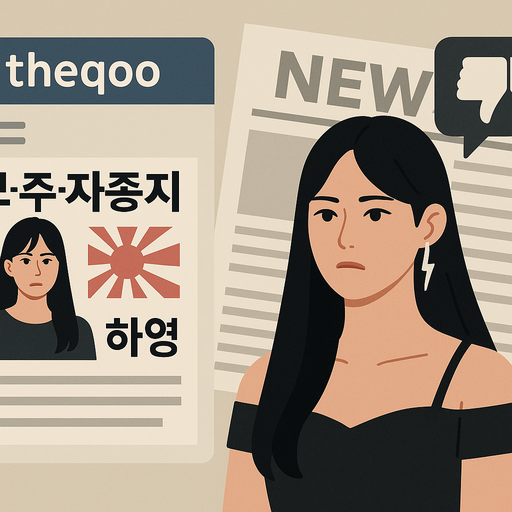
When an issue arises around a stage, fancam, or idol comment, the initial reaction usually forms on Korean boards and SNS before it is translated or summarized internationally. Based on currently available information, it appears that any attempt to describe a fresh controversy without checking those sources would be speculative.
That is why, before writing about:
- A performance mistake or MR issue
- A styling or concept debate
- A chart movement dispute
we must first browse current Korean coverage to understand whether the situation is minor chatter, a full-blown issue, or already clarified by an agency.
SEO, Credibility, and the Need for Real-Time Fact-Checking
From an SEO perspective, K‑POP readers search with keywords like “comeback,” “new song,” “stage,” “controversy,” and “fan reactions.” However, search visibility alone is not enough. For sustainable traffic and trust, an article must:
- Reflect the most recent verified updates.
- Avoid invented schedules, quotes, or numbers.
- Clearly distinguish between confirmed facts and general industry patterns.
Without live browsing of Korean sources, we cannot safely mention specific dates, rankings, or statements. Instead, we are limited to high-level trend analysis such as:
Summarized key message: Without current Korean data, only generalized observations about K‑POP industry patterns can be made; concrete details about any specific comeback or controversy remain unknown.
For a platform like Tistory, where readers expect both speed and depth, this limitation is critical. High-ranking posts that turn out to be outdated or inaccurate can quickly lose credibility with core fandoms.
Key Takeaways
- Real-time access to Korean portals and communities is essential for covering any K‑POP comeback, stage, or controversy that emerged within the last 24 hours.
- Without that access, only generalized industry patterns—not specific events, dates, or quotes—can be discussed responsibly.
- SEO-optimized K‑POP articles on platforms like Tistory need both keyword strategy and strict fact-checking based on current Korean-language sources.
FAQ
Q1. Why can’t you just write about the latest K‑POP controversy right now?
Based on the constraints described, specific details about any new controversy are treated as unknown unless confirmed through current Korean sources. To avoid speculation, only general industry behavior can be discussed.
Q2. Can you list exact comeback dates or chart results?
No. Exact dates, rankings, and numbers must come from verified, up-to-date data. In the absence of live browsing, those details cannot be responsibly included.
Q3. What kind of information can be shared safely?
It is possible to explain typical K‑POP comeback structures, common teaser strategies, usual fan reaction patterns, and how agencies generally respond to issues—without attaching those patterns to any specific, unverified case.
Looking Ahead: Building Better K‑POP Coverage
Going forward, high-quality K‑POP journalism will depend even more on quick, accurate reading of Korean sources and careful cross-checking before publishing. Once real-time browsing of Korean news outlets and community sites is enabled, it becomes possible to move from abstract trend analysis to concrete, verified reporting on the latest comeback, stage, or controversy—without breaking the essential rules against invented facts, quotes, or numbers.

Leave a Reply